
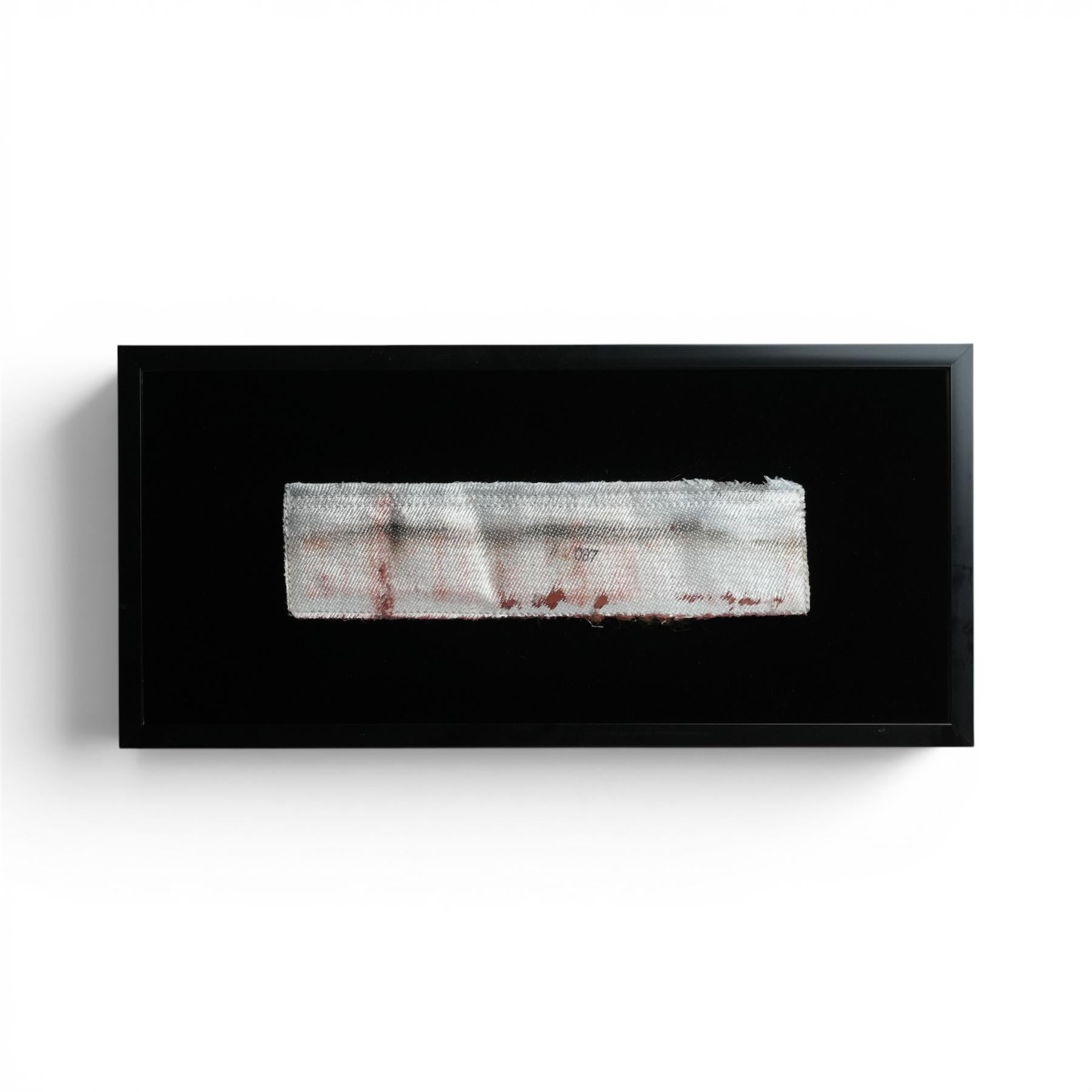
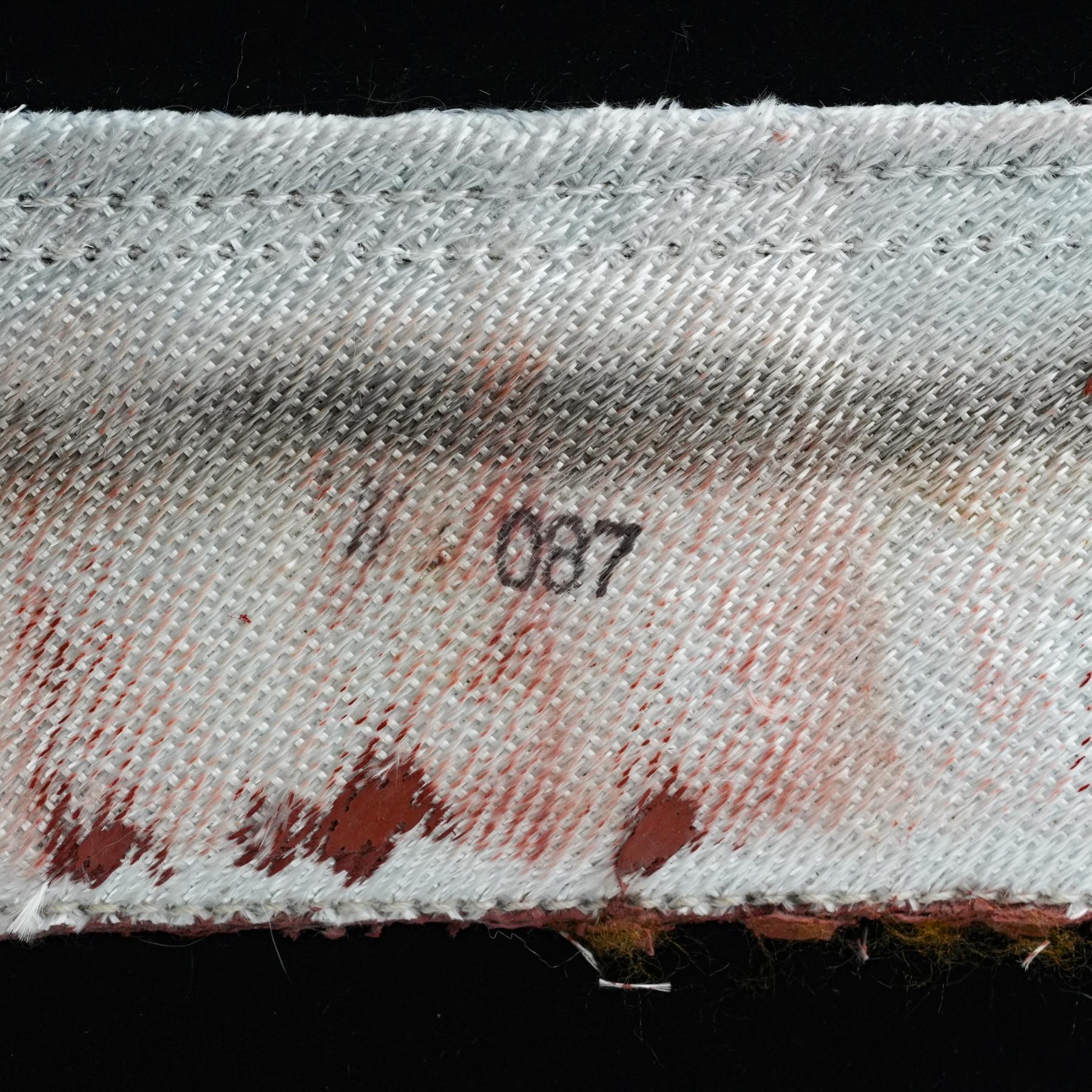
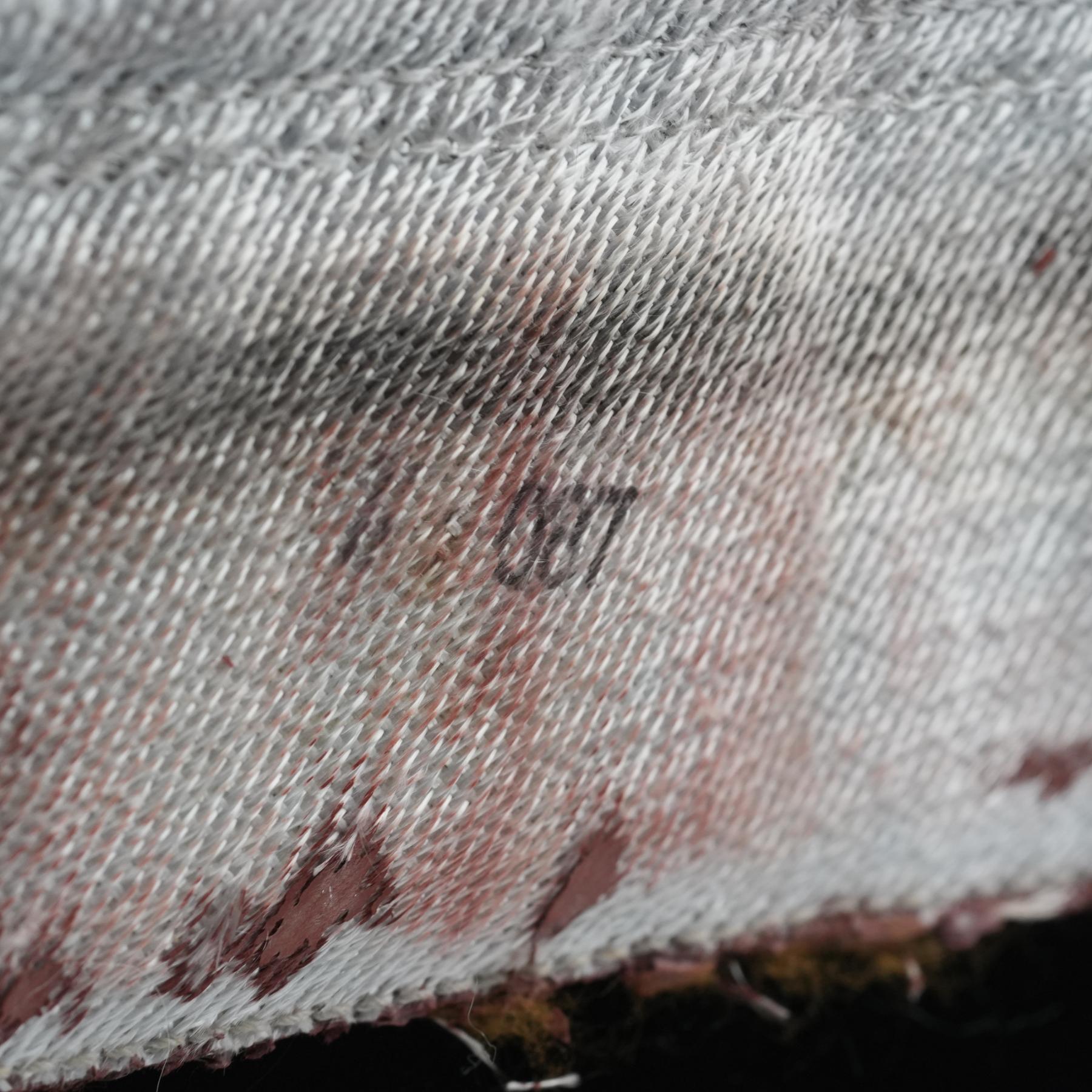
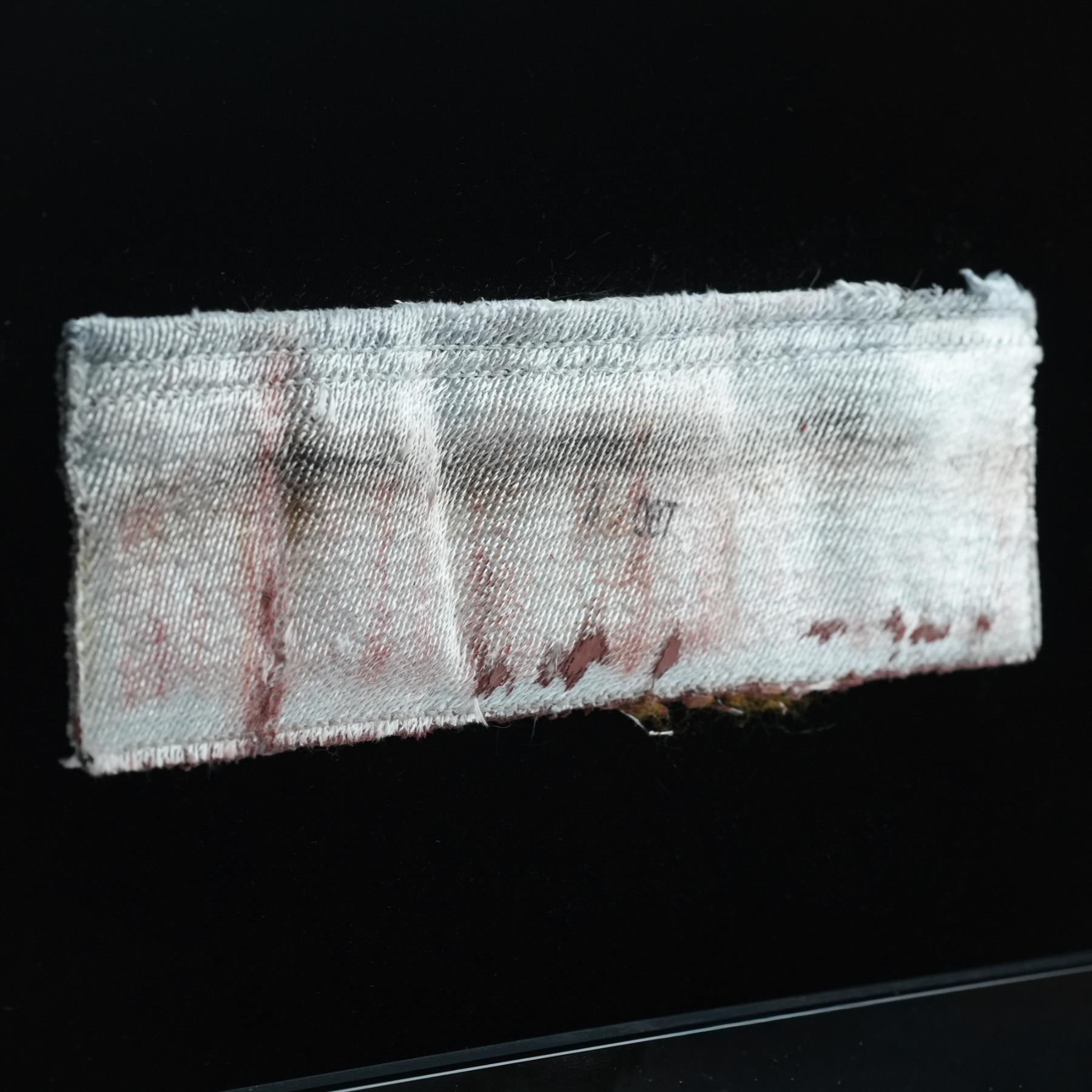
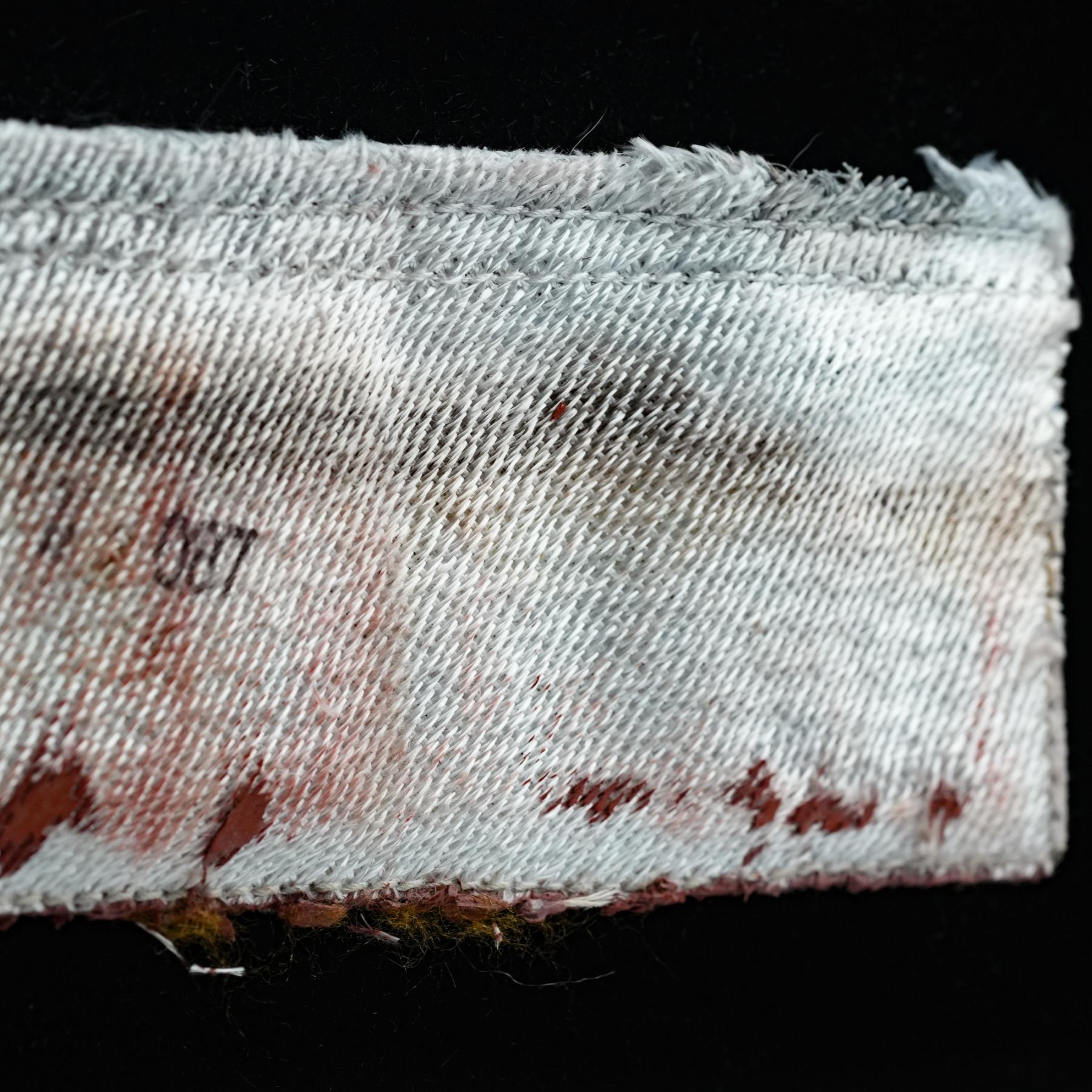
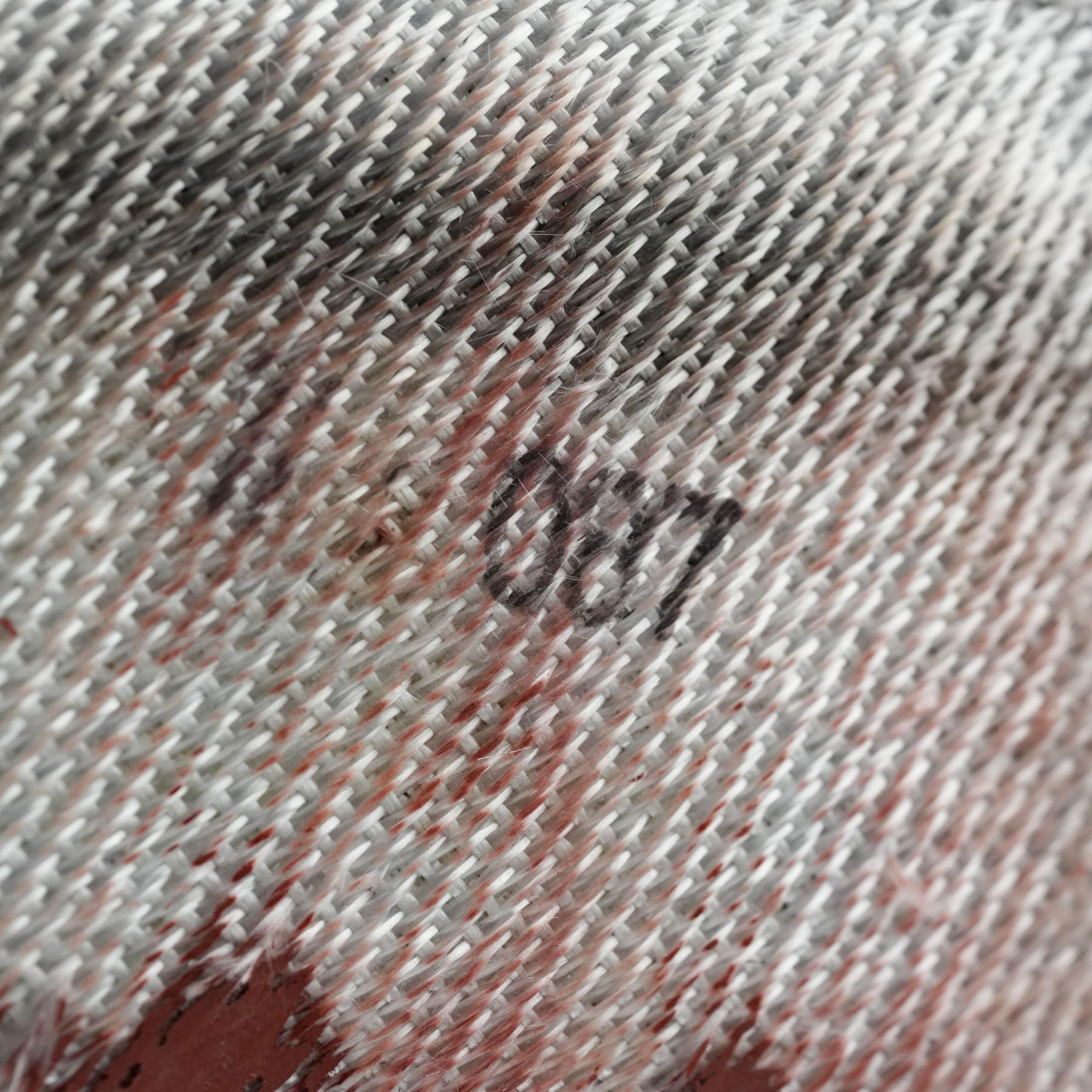
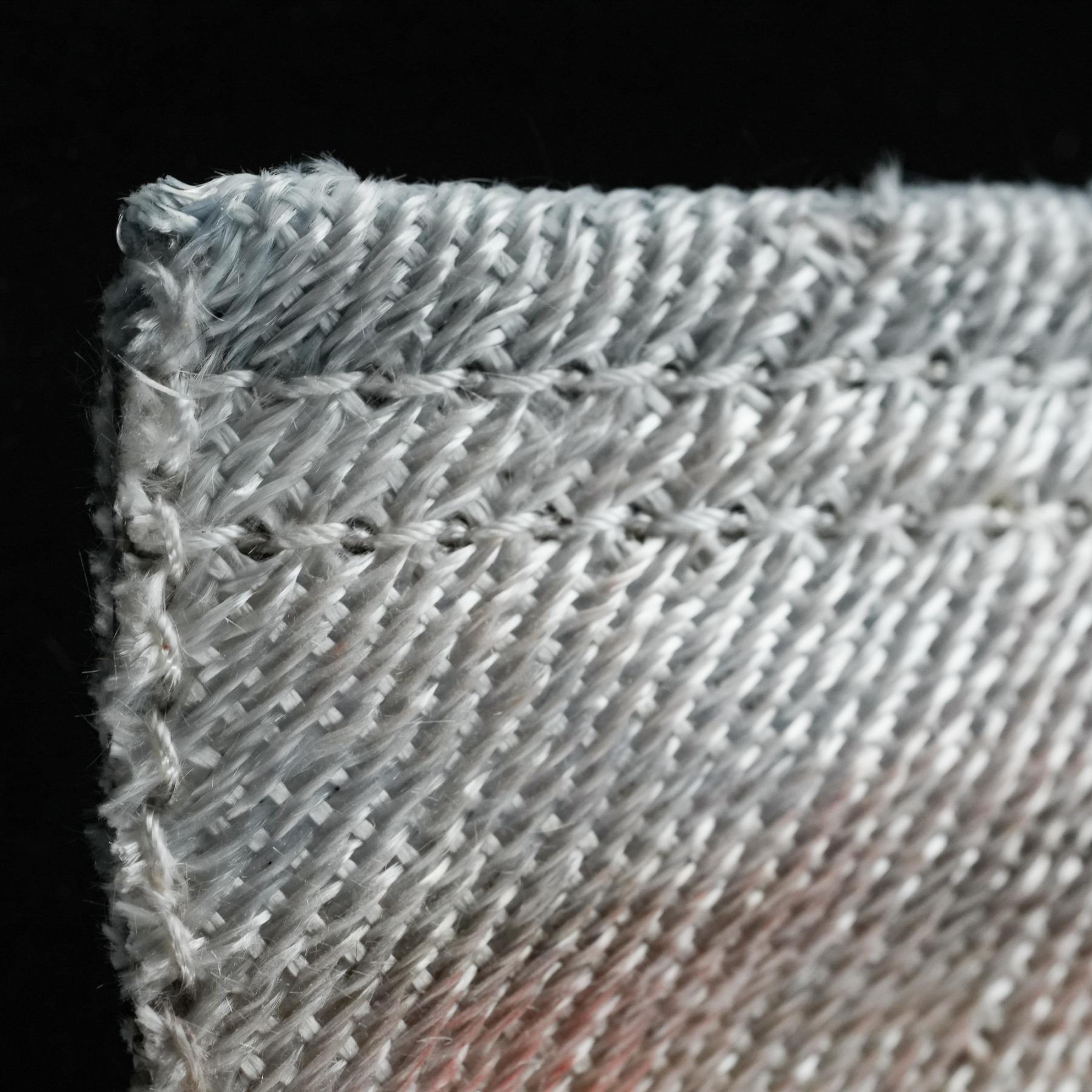
Space Shuttle Flown Gap Filler
Purchase details
Payment. Pay by Zelle or Wire after we confirm availability and send your WatchTrack invoice.
Delivery. Ships within two business days after payment is verified. Insured overnight delivery with signature required.
Sales tax. Applies to North Carolina orders only.
Returns. No change-of-mind returns.
RocketShip isn’t just a name. Sometimes, we sell the real thing.
This is a genuine Space Shuttle flown gap filler, preserved inside a 10 x 21 inch shadow box and displayed against Musou Black Fabric KIWAMI, one of the blackest fabrics in the world. The effect is stunning: the artifact appears to float in a deep, light-swallowing void, like a fragment of the Shuttle suspended in space. The display is finished with premium Optium Museum Acrylic, chosen for its exceptional clarity, UV protection, and dramatically reduced reflection.
On the Space Shuttle, gap fillers were part of the orbiter’s thermal protection system. They were used between the Shuttle’s heat-shield tiles to help close the narrow spaces between them, maintaining the smooth exterior surface needed during launch, orbit, and reentry. Every material had to survive an environment that was violently cold, violently hot, and completely unforgiving.
During reentry, the Shuttle came back through Earth’s atmosphere at over 17,000 mph, with some external surface temperatures reaching as high as 3,000°F, hot enough to exceed the melting point of steel. NASA’s thermal protection system existed to shield the orbiter’s aluminum airframe, which could only tolerate roughly 350°F before softening. In orbit, the exterior also cycled through extreme cold and heat, from approximately -200°F to +200°F every 90-minute orbit.
The presentation is what makes this piece special. Musou Black Fabric KIWAMI absorbs up to 99.905% of visible light, removing visual distraction and creating an almost impossible black field behind the artifact. Rather than simply sitting in a frame, the gap filler appears suspended in darkness.
That floating effect is protected behind Optium Museum Acrylic, an elite museum grade glazing material used for high-end displays where clarity, UV protection, and glare reduction matter. The combination of the near-void Musou backing and the ultra-clear, low-reflection Optium front creates a display that feels less like a framed object and more like a window into orbit.
For collectors of space history, this is a chance to own something that did not merely represent the Shuttle era. It was there. It flew. It experienced launch, orbit, reentry, heat, speed, vibration, and the impossible demands of human spaceflight.